
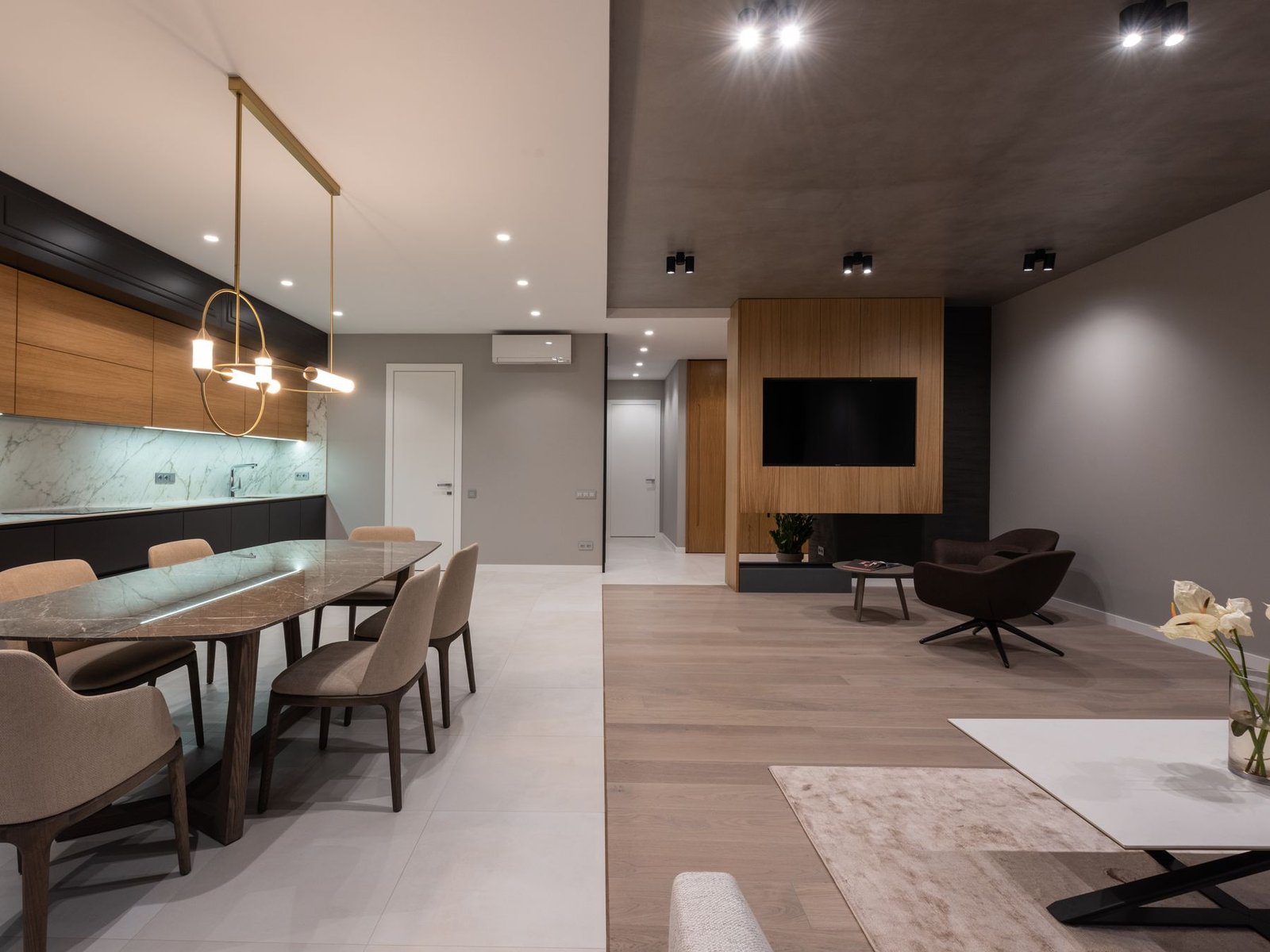

Japandi style has become one of the most loved home decor trends, and it is easy to see why. It blends the best of two design philosophies: Japanese minimalism, with its reverence for simplicity and nature, and Scandinavian warmth, with its love of coziness and light. The result is a home that feels calm, uncluttered, and deeply comfortable — serene without ever feeling cold.
If your home feels chaotic or overstuffed, Japandi offers a way back to calm. Below is a complete guide to the style: what it is, the principles behind it, and practical ways to bring its quiet beauty into your own rooms.
What Is Japandi Style?
Japandi (Japanese + Scandinavian) emerged as designers noticed how naturally these two traditions complement each other. Both value simplicity, functionality, and natural materials; both reject clutter and excess. Japanese design contributes wabi-sabi — the appreciation of imperfection and transience — along with low furniture and a deep connection to nature. Scandinavian design contributes hygge — the art of coziness — along with pale woods, soft textiles, and light-filled rooms. Together, they create spaces that are minimal yet warm, disciplined yet inviting.
1. Embrace Natural Materials
Natural materials are the soul of Japandi. Light woods like oak, ash, and bamboo; stone; rattan; linen; wool; and paper appear everywhere. These materials age gracefully, feel good to touch, and connect the home to the natural world. When choosing new pieces, favor solid wood over veneer, natural fibers over synthetics, and handmade over mass-produced. A single beautiful wooden bowl or linen throw can introduce the Japandi feeling into any room. This love of nature indoors connects deeply with Biophilic Design 2026: How to Bring Nature Into Every Corner of Your Home.
2. Keep the Palette Muted and Warm
Japandi palettes are quiet: warm whites, soft beiges, pale woods, muted grays, and gentle earth tones. Unlike stark minimalism, the whites are warm rather than brilliant, and the neutrals are layered for depth. A touch of contrast — a black accent, a deep green plant — keeps the calm from becoming flat. If you love this restrained approach to color, explore Earthy Color Palettes: The Warm, Grounded Hues Defining Homes in 2026.
3. Choose Low, Clean-Lined Furniture
Japandi furniture sits low and keeps clean, simple lines — a nod to Japanese tradition, where life happens closer to the floor. Low-profile sofas, platform beds, and simple wooden tables make ceilings feel higher and rooms feel more open. Choose pieces with visible craftsmanship: joinery you can see, wood grain you can feel. Avoid anything ornate, bulky, or overly decorative; in Japandi, the beauty is in the proportions and materials themselves.
4. Declutter with Intention
Calm requires editing. Japandi rooms are uncluttered, but not empty — every object earns its place through beauty or function, ideally both. Clear surfaces, store what you do not use daily, and display only what you truly love. This is minimalism with warmth: the few things on show are meaningful and beautiful. The philosophy overlaps with Warm Minimalism: 2026’s Biggest Decor Shift, which brings the same serene discipline to contemporary spaces.
5. Let in Light, Keep It Soft
Both Japanese and Scandinavian traditions revere natural light. Keep window treatments light and simple — sheer linen curtains or simple blinds that filter rather than block daylight. In the evening, switch to warm, low lighting: paper lanterns, candles, and small lamps that cast a gentle glow. Harsh overhead lighting has no place in Japandi; the goal is light that feels like late afternoon, soft and golden.
6. Add Craftsmanship and the Handmade
Wabi-sabi — finding beauty in imperfection — means handmade objects are prized in Japandi interiors. A hand-thrown ceramic vase with an uneven glaze, a woven basket, a visible repair: these are features, not flaws. Mixing one or two vintage or artisan pieces into a calm room adds soul and history. For guidance on blending old and new beautifully, see The Vintage-Modern Mix: How to Blend Old and New Pieces in 2026.
How to Start with Japandi This Weekend
- Declutter one room. Remove everything that is not beautiful or useful.
- Lighten the palette. Swap dark or synthetic textiles for linen, cotton, or wool in warm neutrals.
- Add one natural material. A wooden tray, a stone vase, a rattan basket.
- Lower the visual noise. Hide cables, clear surfaces, and give objects room to breathe.
- Soften the light. Add a paper lantern or warm-bulb lamp and dim the overheads.
Frequently Asked Questions
What is the difference between Japandi and minimalism?
Japandi is minimalism with warmth. Traditional minimalism can feel stark and cold; Japandi keeps the simplicity but adds natural materials, warm tones, soft textures, and the Japanese appreciation of imperfection — making it far more livable and cozy.
What colors define Japandi style?
Warm whites, soft beiges, pale wood tones, muted grays, and gentle earth hues. The palette stays neutral and calm, with occasional deep accents like black, charcoal, or forest green for contrast and grounding.
Is Japandi expensive to achieve?
Not necessarily. Because Japandi values less over more, decluttering is free and transformative. Thrifted wooden furniture, linen textiles, and handmade ceramics from local markets achieve the look affordably. Quality over quantity means buying fewer, better pieces over time.
Can Japandi work in a small apartment?
Beautifully. Japandi’s low furniture, light palette, and uncluttered approach make small spaces feel larger and calmer. Its emphasis on multifunctional, well-made pieces is ideal when every square foot counts.
Japandi is more than a look — it is a quieter way of living with your home. Start with one room, choose natural materials, and let calm in. Your space will thank you with a sense of peace that never goes out of style.
Paste your AdSense code in Ad Inserter Block 3