
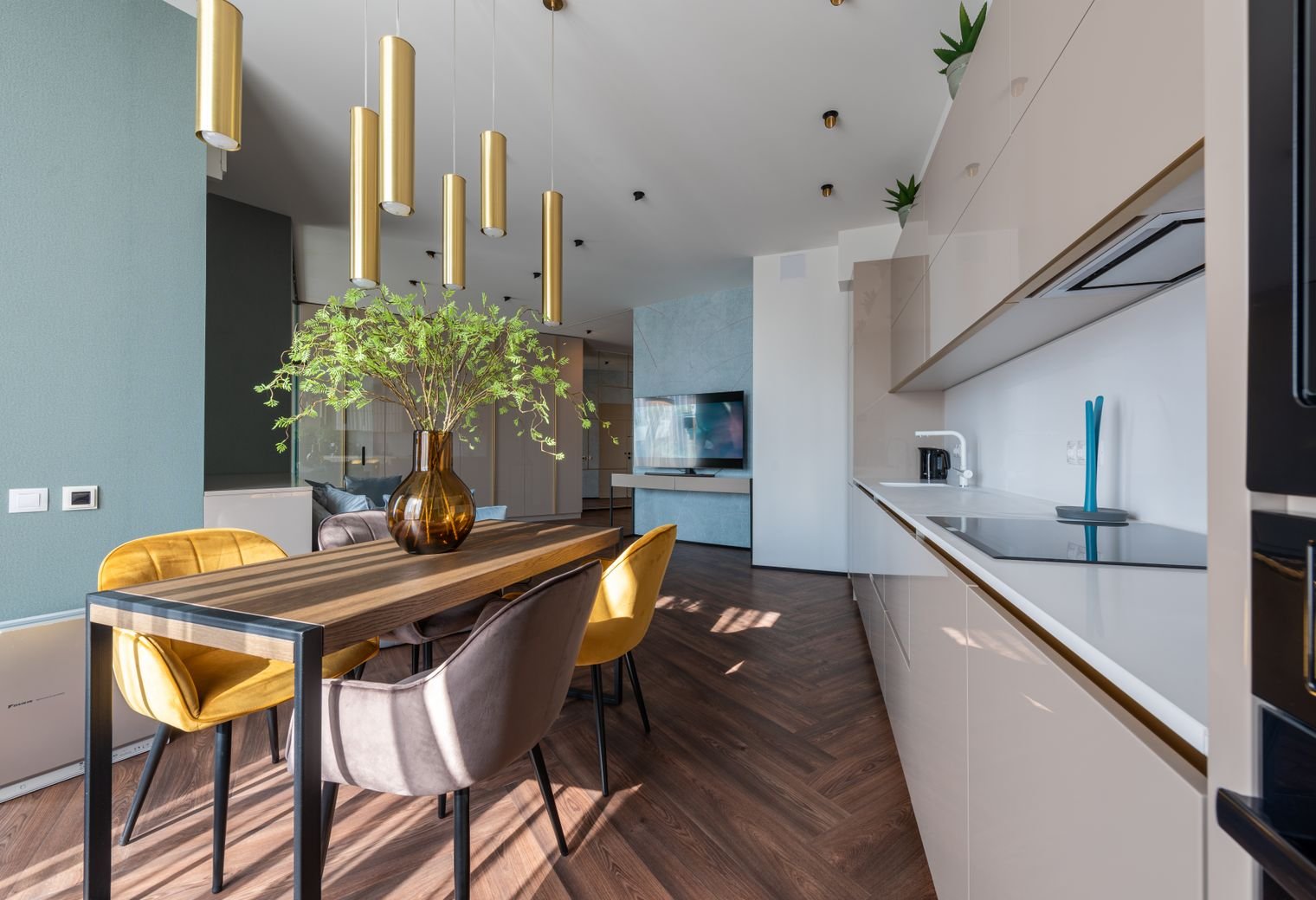

Color is having a grounding moment. In 2026, the stark whites and cool grays that dominated interiors for a decade are giving way to something warmer and more soulful: earthy color palettes drawn from soil, clay, bark, and stone. Chocolate brown, caramel, terracotta, olive, and dusty blue are showing up on walls, sofas, and textiles — and the effect is rooms that feel calm, cocooning, and quietly luxurious.
Unlike bolder color trends that demand commitment, earthy palettes are remarkably livable. They work with the furniture you already own, flatter every style from modern to traditional, and create the kind of warmth that makes guests want to linger. Here is your guide to the hues defining 2026 — and how to use them.
The 2026 Earthy Palette: Five Key Hues
- Chocolate brown: the breakout star. Rich, enveloping, and surprisingly versatile — gorgeous on walls, velvet sofas, and cabinetry.
- Caramel and toffee: warm mid-tones that glow in natural light. Beautiful for leather, wood finishes, and textiles.
- Terracotta and clay: sun-baked warmth that energizes without overwhelming. Lovely in kitchens, entryways, and on accent walls.
- Olive and moss green: nature’s neutrals. Calming on walls and upholstery, and a perfect partner for wood tones.
- Dusty blue and slate: the cool counterpoint that keeps earthy schemes from feeling heavy. Think stormy skies and river stone.
Together, these colors share muted, natural undertones — which is why they layer so effortlessly. You can combine three or four in one room without it feeling busy.
Why Earthy Tones Work So Well
Earthy colors do something few palettes can: they make a room feel both exciting and restful. Because they come from nature, our eyes read them as familiar and safe — the same reason a walk in the woods feels restorative. They also hide everyday wear better than pale neutrals, making them practical for real life with kids and pets. Their nature-rooted appeal connects directly to Biophilic Design 2026: How to Bring Nature Into Every Corner of Your Home.
Designers love them for their depth. Where white walls can feel flat, a chocolate or olive wall has dimension that changes with the light throughout the day. And unlike trendy brights, earthy hues have staying power — they have cycled through design history for centuries and always feel current.
How to Use Earthy Colors in Your Home
Start with textiles
The lowest-commitment entry point: cushions, throws, curtains, and rugs in caramel, rust, olive, and brown. Layer two or three earthy tones over a neutral base (cream, beige, soft white) and the room transforms without a drop of paint.
Try a statement wall
Painting one wall in chocolate brown or deep olive adds drama and coziness, especially behind a bed or sofa. In north-facing rooms, warm earthy tones counteract cool light beautifully.
Go bold with cabinetry or furniture
Earthy tones on kitchen cabinets, a bookcase, or a velvet sofa create unforgettable focal points. Chocolate cabinetry with brass hardware and marble counters is one of 2026’s most requested kitchen looks.
Layer tone on tone
The most sophisticated earthy rooms layer similar tones: caramel leather, toffee wool, chocolate wood, cream linen. Varying texture — smooth, nubby, matte, sheen — keeps monochrome schemes from falling flat.
Room-by-Room Ideas
Living room: an olive or rust sofa anchors the space; add cream and caramel textiles, a jute rug, and wooden accents for a layered, collected feel.
Bedroom: chocolate or warm taupe walls create a cocooning retreat. Keep bedding light — cream and oatmeal — for contrast, and add a terracotta throw for warmth. For more restful bedroom inspiration, see Bedroom Decor Trends: Cozy Ideas for Better Sleep.
Kitchen: clay-toned walls or a terracotta tile backsplash bring warmth to the hardest-working room. Open wood shelving and ceramic dishware complete the earthy story.
Bathroom: dusty blue or warm greige tiles feel spa-like and timeless. Pair with brushed nickel fixtures and eucalyptus for a natural finish.
Pairing Earthy Tones With What You Own
Good news: earthy palettes play well with almost everything. They warm up gray furniture, ground white pieces, and complement natural wood of any tone. Black accents add definition; cream keeps things fresh; and a touch of dusty blue prevents all-warm schemes from feeling one-note. If your home is currently all neutrals, you are already halfway there — just deepen the palette. The same natural, neutral-loving palette is central to Japandi Style: The Calm Home Trend Everyone Loves.
Frequently Asked Questions
Will dark earthy colors make my rooms feel small?
Not necessarily. Dark colors recede visually, which can actually make walls feel farther away. The key is balance: pair deep walls with lighter furniture and textiles, and ensure good lighting. In tiny rooms, use earthy tones on textiles and one accent wall instead.
What neutrals pair best with earthy palettes?
Warm neutrals — cream, oatmeal, warm beige, soft white — are the ideal partners. They let earthy hues shine without competing. Avoid stark cool whites, which can clash with warm undertones.
Can earthy palettes work in modern or minimalist homes?
Absolutely. In fact, earthy tones keep minimalism from feeling cold. A minimalist room in warm beige, chocolate, and cream feels serene rather than stark — proof that minimalism and warmth are not opposites. See Warm Minimalism: 2026’s Biggest Decor Shift for more on the year’s move toward softer minimalism.
How do I test an earthy color before committing?
Paint large swatches on poster boards and move them around the room to see the color in different light. Live with them for a few days before deciding. For textiles, order swatches — colors look very different in your home’s light than on a screen.
Earthy color palettes are more than a 2026 trend — they are a return to colors that make us feel grounded and at home. Start with a throw pillow or go bold with chocolate walls; either way, you are decorating with the timeless palette of the natural world.
Paste your AdSense code in Ad Inserter Block 3