
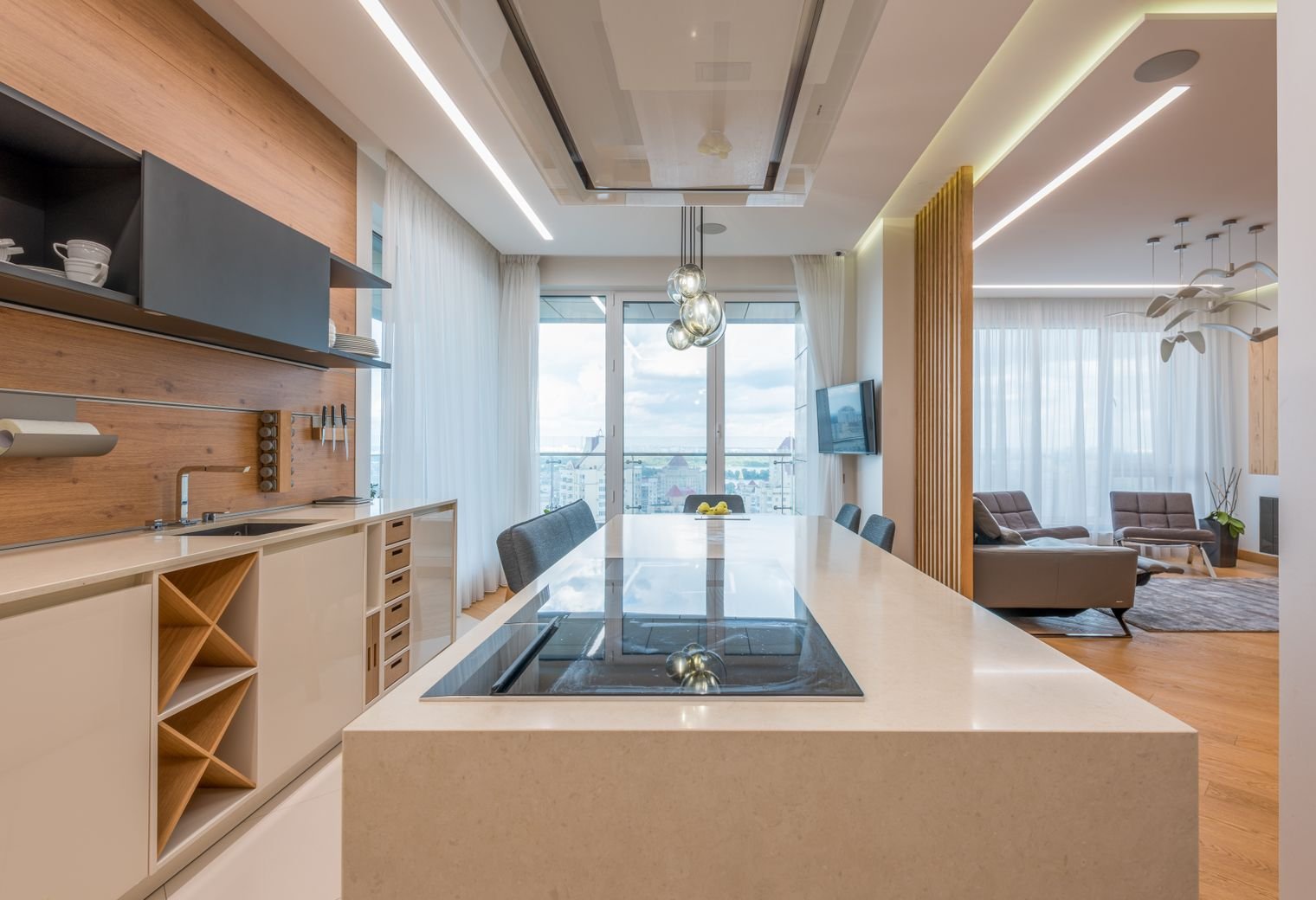

Step inside the most talked-about homes of 2026 and you will notice something right away: they feel alive. Sunlight pours through unobstructed windows, leafy plants spill from shelves, and wood, stone, and linen replace cold, synthetic surfaces. This is biophilic design — the art of weaving nature into your interiors — and this year it has grown from a niche wellness idea into one of the defining movements in home decor.
Biophilic design is not about turning your living room into a jungle or buying every plant at the garden center. It is a thoughtful approach to decorating that uses natural light, living greenery, organic materials, and nature-inspired shapes to make a home feel calmer, healthier, and more connected to the outdoors. Here is how to bring it into every corner of your home, whatever your style or budget.
What Is Biophilic Design (and Why It Works)
Biophilic design is based on a simple idea: humans feel better when they are connected to nature. The term comes from “biophilia,” the instinctive bond people have with the natural world. In interiors, that translates to spaces filled with daylight, plants, natural textures, fresh air, and views of greenery.
Why does it work so well? Because our senses respond to nature instinctively. The dappled light through leaves, the grain of real wood, the sound of water — these cues tell our nervous system to relax. That is why biophilic rooms consistently feel restful, even when they are simply decorated. It is less a style and more a layer you can add to any decor you already love, from modern to farmhouse. It pairs naturally with Warm Minimalism: 2026’s Biggest Decor Shift, another 2026 movement built on calm, uncluttered spaces.
Start With Natural Light
Light is the foundation of biophilic design, and it is free. Begin by making the most of the daylight you already have:
- Swap heavy drapes for sheer or linen curtains that filter sunlight instead of blocking it.
- Place a mirror opposite your brightest window to bounce light deeper into the room.
- Keep windowsills clear so plants and light both get pride of place.
- Trim back outdoor branches that shade your windows, and clean glass seasonally.
If a room gets little natural light, layer warm-toned lighting instead of a single harsh overhead. Table lamps, floor lamps, and candles mimic the varied, gentle light of a day spent outdoors.
Layer in Living Greenery, Room by Room
Plants are the most visible part of biophilic design, but placement matters more than quantity. A few well-chosen plants in the right spots will do more than a crowded windowsill.
Living room: go for one statement plant
A tall fiddle-leaf fig, olive tree, or bird of paradise in a beautiful pot becomes living sculpture. Group smaller plants at different heights — a trailing pothos on a shelf, a snake plant beside the sofa — to create a natural rhythm.
Kitchen: grow what you use
A sunny windowsill herb garden with basil, thyme, and mint is biophilic design at its most practical. Open shelves styled with small potted herbs, wooden bowls, and glass jars blend function with nature beautifully. For more fresh kitchen styling ideas, see Kitchen Decor Ideas That Feel Fresh.
Bedroom: keep it calm and breathable
Choose low-maintenance, air-purifying plants like peace lilies or snake plants, and keep the arrangement simple — one or two plants are enough for a restful feel. Pair your greenery with the simple upgrades in Small Bedroom Makeover: 8 Simple Ideas.
Bathroom: embrace humidity lovers
Ferns, calatheas, and orchids thrive in steamy bathrooms. Even a single eucalyptus bunch hung from the showerhead adds scent and softness.
Bring In Natural Materials
Biophilic design is as much about touch as sight. Replace a few synthetic surfaces with materials that come from the earth:
- Wood: an oak coffee table, walnut cutting boards, or rattan baskets.
- Stone: a marble tray, slate coasters, or a travertine side table.
- Fibers: jute rugs, linen curtains, cotton throws, wool cushions.
- Clay and ceramic: handmade vases and planters with visible texture.
You do not need to renovate. Swapping a polyester throw for a chunky wool knit, or plastic organizers for woven baskets, quietly shifts a room toward nature.
Borrow Colors and Patterns From the Outdoors
Look out the window for your palette: soft sage and deep forest green, warm bark brown, sandy beige, stone gray, and the dusty blue of a morning sky. These colors feel grounding without being dull, and they layer beautifully with neutrals you may already own. For a deeper dive into these hues, see Earthy Color Palettes: The Warm, Grounded Hues Defining Homes in 2026.
Botanical prints, landscape art, and organic shapes — arched mirrors, wavy-edged trays, pebble-like side tables — echo nature’s forms. The trick is restraint: one botanical wallpaper or a pair of leaf-print cushions reads as intentional, while every surface competing for attention feels chaotic.
Appeal to the Senses
True biophilic design goes beyond what you see. A small tabletop fountain adds the soothing sound of moving water. Beeswax candles or essential-oil diffusers with cedar, citrus, or eucalyptus bring the outdoors in through scent. Textured throws and rugs invite touch. Even opening windows daily to let in fresh air and birdsong counts — biophilic design is a way of living, not just decorating.
Common Mistakes to Avoid
- Plant overload: too many plants make a home feel like a nursery to maintain. Start with five or fewer and add slowly.
- Ignoring light needs: a sun-loving plant in a dark corner will struggle. Match plants to your actual light.
- All fake, no real: one or two quality faux stems are fine, but a room of plastic plants misses the point — living things are the heart of the trend.
- Forgetting maintenance: dusty leaves and dead plants undo the effect. Choose easy-care varieties if you are busy.
Frequently Asked Questions
Is biophilic design expensive?
Not at all. Sunlight, fresh air, and a few affordable plants cost very little. Thrifted wooden pieces, woven baskets, and linen-look textiles from budget stores achieve the look for less.
Do I need a green thumb?
No. Start with nearly indestructible plants like pothos, snake plants, or ZZ plants. They tolerate low light and irregular watering, so beginners can succeed.
Does biophilic design work in small apartments?
Absolutely. Hang plants to save floor space, use wall-mounted planters, and lean on natural materials and light. Small spaces often benefit most, since nature makes them feel airier.
How is biophilic design different from just adding plants?
Plants are only one ingredient. True biophilic design also considers light, airflow, natural materials, colors, sounds, and scents — the whole sensory experience of being close to nature.
Biophilic design endures because it is rooted in how we actually feel, not in passing fashion. Start small — clearer windows, one statement plant, a jute rug underfoot — and let nature do what it does best: make your home feel like the most restorative place you know.
Paste your AdSense code in Ad Inserter Block 3