
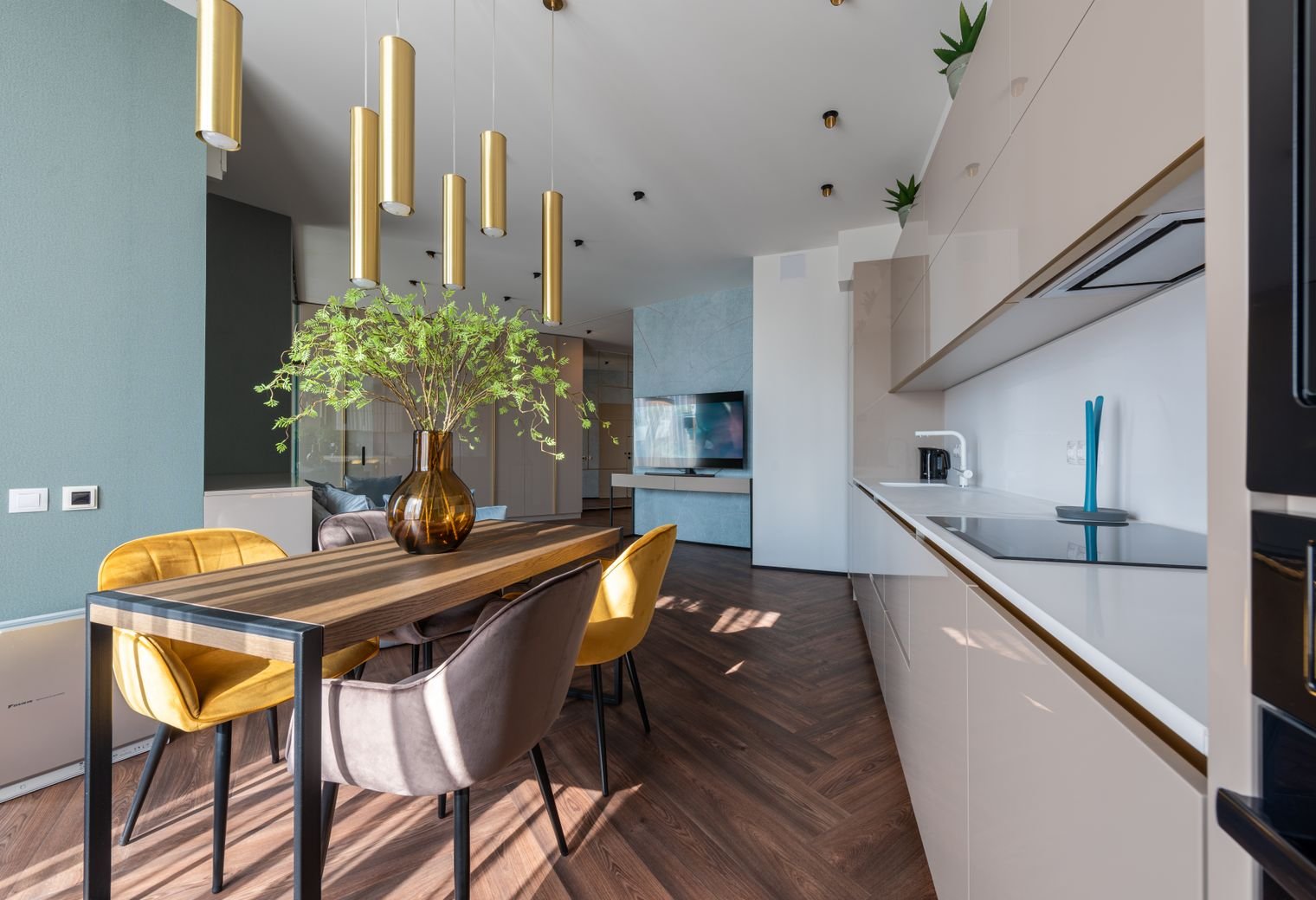

Minimalism is having a warm awakening. For years, the minimalist ideal meant white walls, sharp lines, and rooms so spare they felt cold. Warm minimalism keeps the calm and clarity of minimalism but fills it with earthy color, rich texture, and natural materials — creating spaces that are simple and deeply inviting at the same time. It is 2026’s biggest decor shift, and it is changing how we think about less.
This guide explains what warm minimalism really is, the elements that define it, and how to bring its calm, cozy simplicity into your own home — whether you embrace it fully or borrow just a few ideas.
What Is Warm Minimalism?
Warm minimalism is minimalism with a human heart. It keeps the core minimalist values — uncluttered spaces, intentional choices, quality over quantity — but replaces cold whites and hard surfaces with warm neutrals, natural wood, soft textiles, and gentle curves. Where old-school minimalism could feel like a gallery, warm minimalism feels like a home: calm, yes, but also comfortable, tactile, and personal. It shares DNA with Japandi Style: The Calm Home Trend Everyone Loves, which blends Japanese and Scandinavian calm in a similar spirit.
1. A Palette of Earthy Warmth
Color is where the warmth begins. Instead of brilliant white and cool gray, warm minimalism uses creamy whites, warm beiges, terracotta, honey tones, soft caramel, and muted clay. These hues feel enveloping rather than stark, and they make natural light glow. Paint is the easiest entry point: one room in warm white instantly feels softer. For a deeper dive into these hues, see Earthy Color Palettes: The Warm, Grounded Hues Defining Homes in 2026.
2. Texture Does the Heavy Lifting
In a restrained palette, texture creates the interest. A chunky knit throw, a jute or wool rug, boucle upholstery, linen curtains, a travertine side table — layering different textures keeps simple rooms from feeling flat. The rule: mix three or more textures in every room, keeping colors close so the variety feels rich rather than busy. Texture is also what makes minimalism cozy enough to actually live in.
3. Natural Materials Everywhere
Wood, stone, clay, rattan, wool, and linen are the material palette of warm minimalism. Solid oak tables, travertine accents, ceramic vases, and woven baskets bring organic warmth that manufactured materials cannot match. These materials also age beautifully, developing patina instead of just wearing out. Choosing natural materials connects the home to the outdoors — a principle shared with Biophilic Design 2026: How to Bring Nature Into Every Corner of Your Home.
4. Soft, Layered Lighting
Lighting makes or breaks warm minimalism. Harsh overheads flatten everything; layered, warm light gives simple rooms their glow. Combine soft ambient light with table and floor lamps, candles, and paper lanterns, all in warm-white tones around 2700K. In the evening, a warm minimalist room should feel like candlelight — golden, gentle, and calm.
5. Curved and Comfortable Forms
Where classic minimalism loved sharp geometry, warm minimalism embraces curves. Rounded sofas, arched mirrors, circular coffee tables, and soft, deep seating make minimal rooms feel welcoming instead of severe. Curves are inherently comforting to the eye, and even small curved accents — a round cushion, a sculptural vase — soften a rectilinear room.
6. Edited, Not Empty
Warm minimalism is edited, not empty. Surfaces are clear, but the objects that remain are meaningful: a beautiful book, a handmade bowl, a single stem in a vase. Every item earns its place through beauty, function, or personal meaning. The goal is not the fewest possible possessions, but the right ones — chosen with care and given room to breathe.
How to Bring Warm Minimalism Home
- Warm the palette. Repaint one room in creamy white or introduce warm neutrals through textiles.
- Layer three textures. Add a wool throw, a jute rug, or linen cushions to your most-used room.
- Swap one synthetic for natural. A wooden tray, a stone vase, a rattan basket.
- Soften the light. Change bulbs to warm white and add a lamp or candles.
- Edit one surface. Clear a shelf or tabletop down to three beautiful objects.
These small steps deliver the look without a full makeover — and on a budget. For proof of how far warmth and restraint can go affordably, see 10 Cozy Living Room Ideas on a Budget.
Frequently Asked Questions
What is warm minimalism in interior design?
Warm minimalism is a design approach that keeps minimalism’s simplicity and calm but adds warmth through earthy colors, natural materials, rich textures, and soft lighting. The result is uncluttered yet cozy — serene without feeling cold or empty.
How is warm minimalism different from regular minimalism?
Classic minimalism favors stark whites, hard surfaces, and sharp lines, which can feel cold. Warm minimalism uses warm neutrals, natural wood and stone, soft textiles, and curved forms — keeping the calm while adding comfort and livability.
What colors work in warm minimalism?
Creamy whites, warm beiges, terracotta, honey, caramel, soft clay, and muted earth tones. The palette stays warm and tonal, with depth coming from texture and material rather than bold color contrasts.
Can warm minimalism work with kids or pets?
Yes — arguably better than stark minimalism. Washable linen slipcovers, durable wool rugs, and forgiving natural materials handle real life well. The style’s emphasis on fewer, better things also means less to clean and maintain.
Warm minimalism proves that less can feel like more — more comfort, more calm, more beauty. Start with warmth: a softer color, a richer texture, a gentler light. Simplicity has never felt so inviting.
Paste your AdSense code in Ad Inserter Block 3