
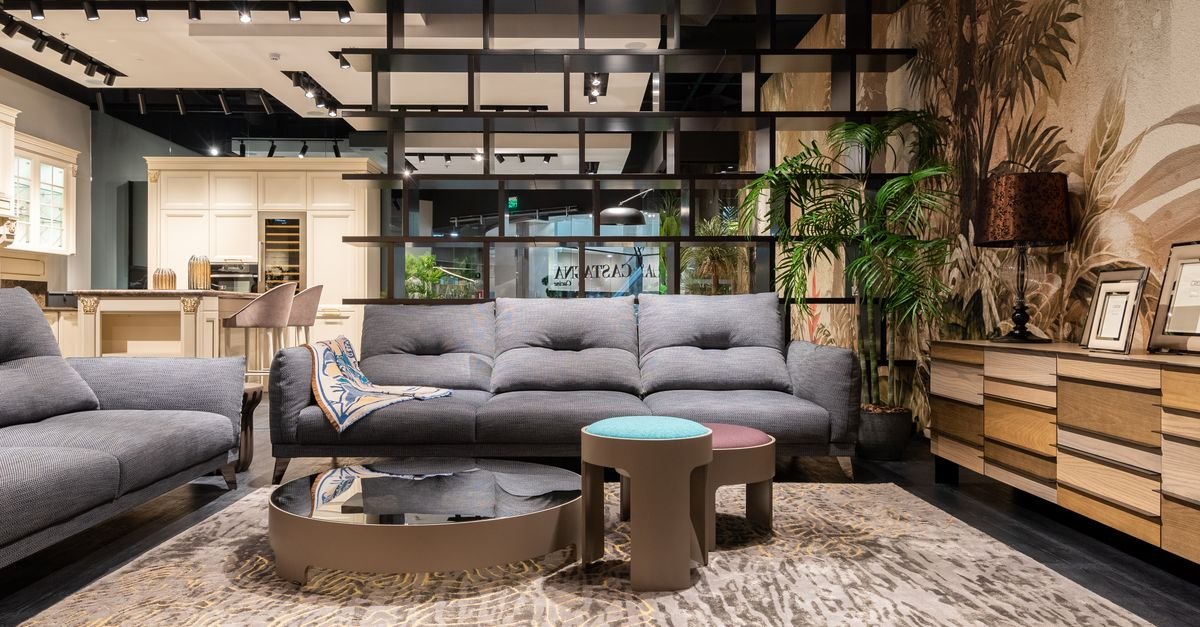

Decorating a compact home does not mean compromising on style. In fact, small spaces often end up the most stylish rooms of all — because every choice has to be intentional. The latest decor trends for compact homes prove that limited square footage is not a limitation at all; it is an invitation to be smarter, more creative, and more personal with your decorating.
Below are the decor trends and ideas working hardest in small homes right now, from multifunctional furniture to clever visual tricks. Whether you live in a studio apartment or a cozy cottage, these ideas will help your compact home feel bigger, brighter, and beautifully styled.
1. Multifunctional Furniture Leads the Way
The defining trend for compact homes is furniture that does double duty. Storage ottomans that hold blankets, sofa beds for guests, fold-down desks that disappear after work, nesting tables that expand when needed — every piece earns its footprint twice over. When shopping, ask what each piece does besides its main job. In a small home, single-purpose furniture is a luxury few can afford. Choose a few excellent multifunctional pieces over many single-use ones.
2. Use Vertical Space as Your Secret Weapon
When floor space is scarce, the walls are your greatest asset. Tall, narrow shelving draws the eye upward and stores far more than low, wide units. Wall-mounted desks, fold-down tables, and floating nightstands free the floor entirely. Even decor goes vertical: a tall mirror, a gallery wall that climbs, or a high curtain rod that makes ceilings feel taller. Vertical thinking is what separates cramped rooms from clever ones.
3. Light Colors and Mirrors Open Everything Up
Light colors remain essential for compact homes: pale walls, sheer curtains, and light-toned furniture reflect light and make rooms feel airier. But light does not have to mean boring — layer warm whites, soft beiges, and pale woods for depth. Mirrors multiply the effect: one large mirror opposite a window doubles the daylight and creates the illusion of another room. For bedroom-specific small-space ideas, see Small Bedroom Makeover: 8 Simple Ideas.
4. Choose Small-Scale, Leggy Furniture
Scale matters enormously in compact homes. Apartment-sized sofas, slim-profile chairs, and narrow consoles fit the room instead of overwhelming it. Furniture with visible legs — mid-century style pieces, for example — lets light and sightlines pass underneath, which makes floors look larger. Before buying, tape out the footprint on your floor. If you cannot walk comfortably around it, it is too big, no matter how much you love it.
5. Define Zones in Open Layouts
Studios and open-plan small homes work best when each activity has a defined zone. Rugs are the easiest zoning tool: one rug anchors the living area, another the dining spot. Open shelving units, curtains, or even a well-placed sofa back can divide space without walls. Zoning makes a single room feel like several purposeful spaces instead of one jumbled one — and it makes small living feel intentional rather than compromised.
6. Soften with Curves
Rounded shapes are especially valuable in small rooms, where sharp corners can make tight spaces feel tense. A round dining table fits more people in less space and eliminates bruised hips; arched mirrors and curved chairs soften boxy rooms. Curves also improve flow — literally, since there are no corners to navigate around. See The Curves Trend: Sculptural, Rounded Furniture Taking Over Homes in 2026 for inspiration.
7. Embrace Warm Minimalism
Small homes and minimalism are natural partners — but the cold, stark version feels punishing in tight quarters. Warm minimalism keeps the calm, uncluttered approach while adding the coziness small spaces need: warm neutrals, natural textures, soft lighting. Edit ruthlessly, keep what you love, and let every object breathe. The result is a small home that feels serene rather than sparse. Explore Warm Minimalism: 2026’s Biggest Decor Shift and Japandi Style: The Calm Home Trend Everyone Loves for the full philosophy.
Golden Rules for Small-Space Style
- Every piece earns its place. If it is not useful or beautiful, it goes.
- Keep the floor visible. Clear floors read as spacious; clutter reads as cramped.
- Go up, not out. Walls hold storage, decor, and lighting without costing floor space.
- One statement, not ten. A single bold piece per room; everything else supports it.
- Light it well. Dark corners shrink rooms; layered light expands them.
Frequently Asked Questions
How can I make a small home look bigger?
Use light colors, add mirrors, keep floors clear, choose leggy furniture, and maximize natural light. Consistent flooring and a restrained palette make separate areas feel like one larger, flowing space.
What furniture is best for a small living room?
Apartment-scale sofas, nesting or round tables, storage ottomans, and wall-mounted pieces. Prioritize multifunctional items and furniture with visible legs, and measure carefully — in small rooms, two inches matter.
How do I decorate a small home without clutter?
Choose fewer, better things and give each one space. Use closed storage for necessities, display only what you love, and follow the one-in-one-out rule. Warm minimalism is the ideal mindset for compact living.
Can small homes have bold style?
Absolutely — small rooms handle boldness beautifully. One dramatic wallpaper wall, a rich color, or a striking piece of art makes a bigger impact in a small space than in a large one. Just keep the boldness to one statement per room.
Small space, big style is not a compromise — it is a design philosophy. Choose with intention, use every inch wisely, and let your compact home show off what thoughtful decorating can do.
Paste your AdSense code in Ad Inserter Block 3