


A simmer pot is the cheapest home fragrance there is: orange peel, cinnamon sticks, cloves and star anise in water on the lowest heat, scenting a flat for an evening for under £2. That is exactly why they are everywhere in November and December — and exactly why a few simple safety rules matter. A pot of water on a hob is still a pot of water on a hob, and the difference between a cosy evening and a scorched pan is usually just a forgotten timer.
This guide covers the rules that keep a simmer pot safe, what never to put in one, how long a pot actually lasts, and how to store your dry mixes so they are ready for the next evening.
1. Never leave a simmer pot unattended
The first and only unbreakable rule: stay in the house while the pot is on. A simmer pot left on the hob while you pop to the shops can boil dry in 45 minutes to an hour, and a dry pot scorches, smokes and can damage the pan — or worse.
Set a timer for 30 to 45 minutes and check the water level every time it rings. If you need to leave the room for more than a few minutes, take the pot off the heat. For all-day scent, use the slow-cooker method in section 6 instead: it holds more water and is designed to run for hours.
2. Low heat only, and keep the water topped up
A simmer pot should barely tremble — a few small bubbles breaking the surface, not a rolling boil. Low heat uses less water, keeps the scent gentle rather than sharp, and gives you a much wider margin before the pot runs dry.
Top the water up with a mug of hot water from the kettle each time you check it. A standard 2-litre saucepan holds enough for 2 to 3 hours of gentle simmering with one or two top-ups. If the water level drops below halfway, top it up straight away rather than waiting for the next timer.
3. What never to put in a simmer pot
Most kitchen ingredients are safe, but a few things are not:
- No essential oils poured neat into a dry or nearly dry pot. A few drops in a full pot of water are fine; neat oil on hot metal can smoke and irritate lungs.
- No plastic, glitter, or artificial potpourri. Anything that is not food-grade or plant material can melt or give off fumes when heated. Dried flowers sold for decoration are often dyed or sprayed — keep them out.
- No pine needles in large amounts. A small sprig is lovely; a big handful sheds needles that clog the pan and can scorch. Use one or two sprigs at most.
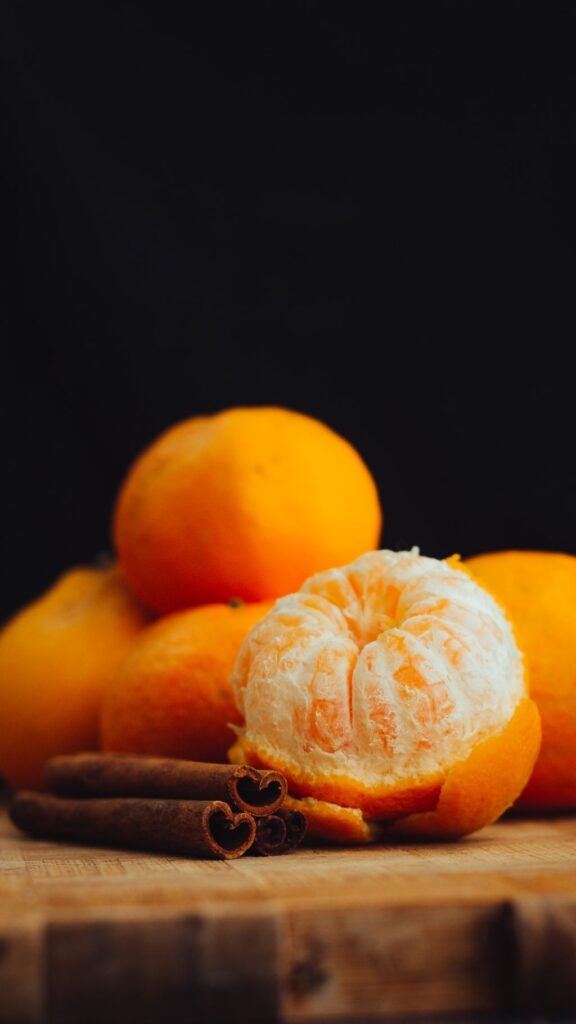
Stick to the classics — citrus peel, cinnamon sticks, whole cloves, star anise, apple slices, a sprig of rosemary or pine — and the pot stays safe and easy to clean.
4. Keep it away from children and pets
A simmer pot sits at the back of the hob for a reason. Turn the pan handles inward so a child cannot pull the pot down, and keep the pot on a back ring rather than the front one. Steam from a simmer pot is hot enough to scald, so keep the pot out of reach of small hands and curious pets, and never put a simmer pot on a coffee table or a low surface in a room where children play.
If you have a cat that jumps on worktops, use a slow cooker with a lid slightly ajar instead of an open pan — it is harder to knock over and the water stays covered.
5. How long does a simmer pot last?
A fresh pot gives its best scent for the first 2 to 3 hours. After that the spices are spent and the smell flattens, even if you keep topping up the water. Do not try to stretch a pot into a second day on the hob — take it off, let it cool, and start fresh.
You can reuse a pot once the next day if you refrigerate it: strain the liquid into a jar, keep it in the fridge overnight, and reheat it gently the next evening with a fresh cinnamon stick and a few new cloves. After that, throw it away. A pot left at room temperature overnight is not worth reusing — it will smell stale rather than festive. For the recipes themselves, our Christmas simmer pot recipes post has five blends that cost under £2 each.
6. The safer all-day method: a slow cooker
If you want scent from morning to evening, a slow cooker is the safer tool. A 1.5 to 3-litre slow cooker on the low setting holds its water for 4 to 6 hours without attention, costs £25 to £40, and uses about the same electricity as a light bulb. Fill it two-thirds full, add your ingredients, put the lid on slightly ajar, and check the water every couple of hours.
The same rules still apply — never leave the house with it running, and never let it boil dry — but the larger water volume and gentle heat give you a far bigger safety margin than a saucepan on the hob.
7. Storing dry simmer pot mixes
Dry mixes are where simmer pots become genuinely convenient. Make a batch in advance and they are ready in thirty seconds:
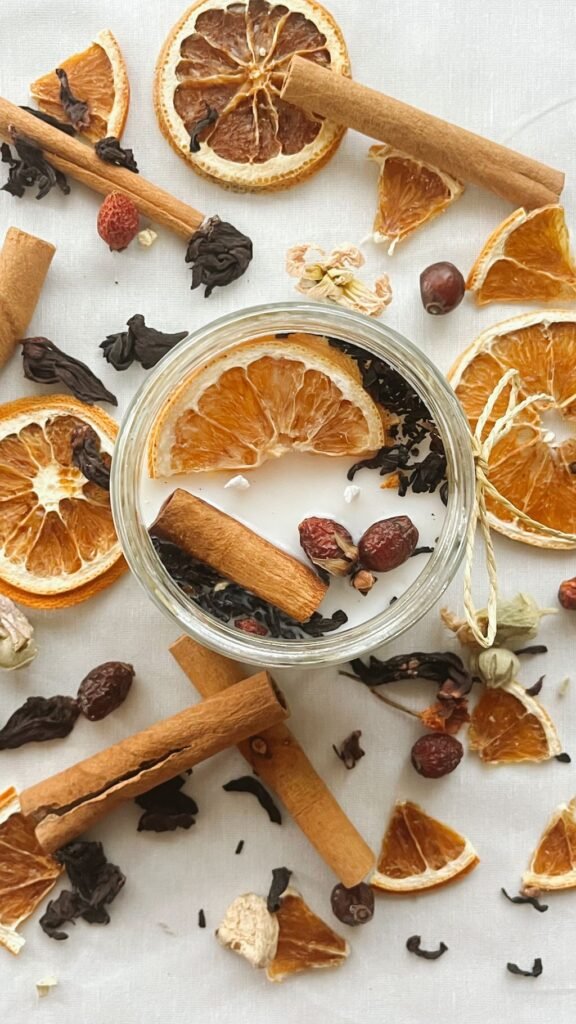
- Mix the dry ingredients — cinnamon sticks, cloves, star anise, dried orange slices — and store them in a clean glass jar with a tight lid (£1 to £3 for a 500ml jar).
- Label the jar with the blend name and the date. Dried mixes keep their scent for up to 6 months in a cool, dark cupboard; after that the spices fade and you need fresh ones.
- Keep jars away from the hob and the sink. Steam and heat shorten their life, and a damp jar will make the contents go soft.
- Dried orange slices keep best: slice oranges 5mm thick, dry them in a low oven (100°C) for 2 to 3 hours until crisp, and store them in a jar. They last the whole season.
Never store a wet or used mix. Once a pot has been simmered, it belongs in the compost or the bin, not back in the jar.
8. Cleaning up and protecting your home
Rinse the pan while it is still warm and the spices will come away easily; a burnt-on cinnamon stick is much harder to remove the next day. If the pan has scorched, soak it in hot water with a tablespoon of bicarbonate of soda for an hour before scrubbing.
One thing people forget: steam. Hours of simmering in a small flat puts moisture into the air, and in a cold Victorian terrace that moisture can condense on windows and cold walls. Open a window a crack or run the extractor fan while the pot simmers, especially if the room is already damp.
Mistakes to avoid
- Leaving the pot on while you go out. The single most common cause of a scorched pan.
- Boiling hard instead of simmering. A rolling boil uses up the water fast and makes the scent harsh.
- Adding neat essential oil to a dry pan. Always into a full pot of water, a few drops only.
- Reusing a pot left out overnight. Refrigerate it or throw it away.
- Storing wet mixes in jars. Only fully dry ingredients go into storage.
FAQ
Is it safe to leave a simmer pot on all day?
Not on the hob — a saucepan can boil dry in under an hour if you stop checking it. For all-day scent, use a slow cooker on low with the lid ajar, check the water every couple of hours, and never leave the house with it running.
How long can you keep a simmer pot going?
Two to 3 hours on the hob with regular top-ups, or 4 to 6 hours in a slow cooker. After that the spices are spent. You can refrigerate the strained liquid overnight and reheat it once the next day.
How do you store simmer pot ingredients?
Dry ingredients only, in labelled glass jars in a cool, dark cupboard, for up to 6 months. Dried orange slices (5mm, oven-dried at 100°C for 2 to 3 hours) keep the whole season. Never jar a wet or used mix.
Are simmer pots safe around pets?
Generally yes with the usual kitchen ingredients, but keep the pot out of reach, never use neat essential oils, and avoid ingredients your vet has warned about for your pet. Cats in particular should not be able to reach an open pot.
Checklist
- ☐ Stay in the house while the pot is on the hob
- ☐ Timer set for 30–45 minutes; check water level each time it rings
- ☐ Low heat only — gentle simmer, never a rolling boil
- ☐ Handles turned inward; pot on a back ring
- ☐ Top up with hot water from the kettle when level drops below half
- ☐ No neat essential oils, no plastic, no glitter, no dyed potpourri
- ☐ Fresh pot lasts 2–3 hours; refrigerate and reuse once, or throw away
- ☐ Dry mixes in labelled glass jars, cool dark cupboard, use within 6 months
- ☐ Slow cooker (£25–£40) for all-day scent, lid ajar, low setting
- ☐ Window cracked or extractor on to handle the steam
- ☐ Rinse the pan while warm; bicarbonate soak for any scorching
Further reading
- Christmas Simmer Pot Recipes for a Cosy Festive Home
- How to Decorate a Rented Flat Without Damage: A UK Renter’s Guide
Paste your AdSense code in Ad Inserter Block 3