
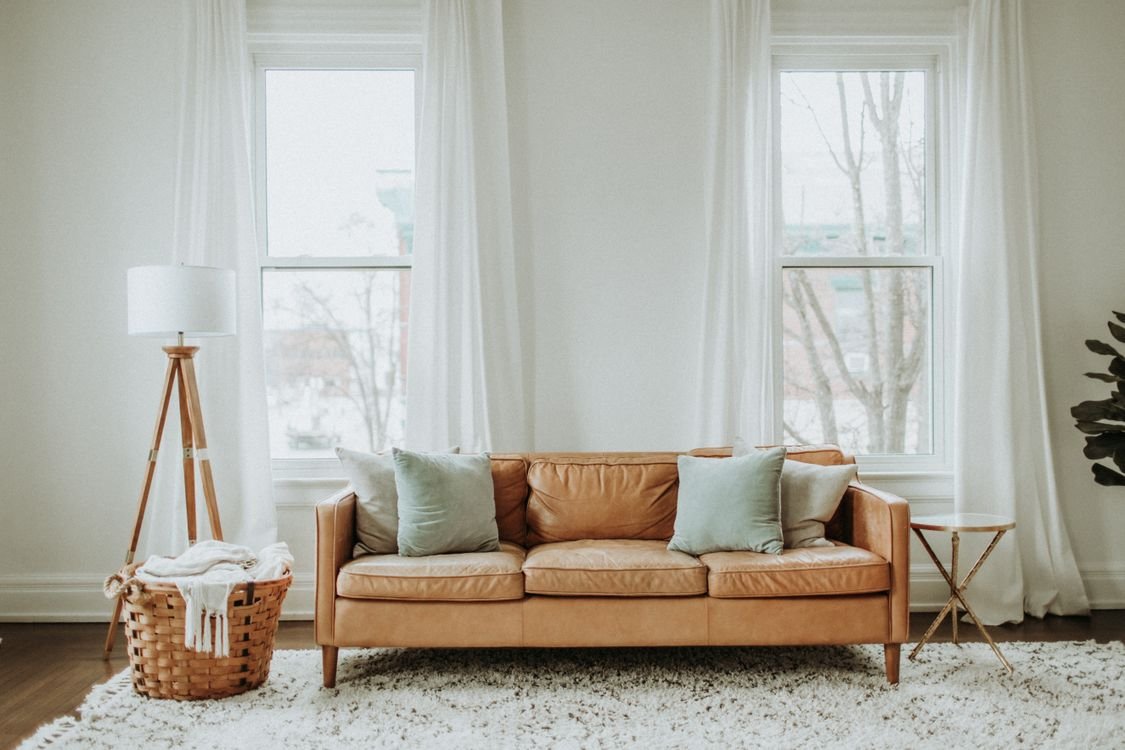

Walk into any home goods store in October and you’ll see the same thing: aisles of plastic pumpkins, novelty signs, and orange everything. There’s nothing wrong with a pumpkin or two, but if that’s all your fall decor consists of, you’re missing the part of autumn that actually makes a home feel cozy.
Fall coziness isn’t a color scheme. It’s a feeling — the urge to curl up with a warm drink, the glow of soft light on a dark evening, the satisfaction of touching a soft throw and sinking into it. That feeling comes from texture, light, scent, and layering, not from seasonal props.
This guide walks you through fifteen practical ideas for fall decorating that go far beyond pumpkins. Everything here is based on what actually makes a room feel warm and inviting, and most of it works in any home, at any budget, with things you can layer over the furniture you already own. For even more budget-friendly cozy styling ideas, don’t miss our 10 Cozy Living Room Ideas on a Budget.
Start With Texture: The Foundation of Fall Coziness
Layer Bouclé, Velvet, and Chunky Knits
If there’s one rule of cozy fall decorating, it’s this: no single fabric should carry the whole room. The magic happens when you combine textures that contrast with each other. Bouclé’s nubby loops next to smooth velvet, velvet against a chunky hand-knit throw — that contrast is what makes a sofa look touchable and lived-in rather than decorated.
Start with what you already have. Pull out the summer-weight throw blankets and light cotton cushions, and swap in heavier ones. A chunky knit throw draped over one corner of the sofa changes the whole mood of a living room in about ten seconds. Add two or three cushions in different textures — maybe one velvet, one boucle-style, one in a ribbed or waffle knit. They don’t need to match in color; in fact, rooms feel more collected when the colors are close rather than identical. Warm creams, oat, taupe, camel, rust, and burgundy all sit happily together.
A good way to think about it: pick a base color family (warm neutrals work beautifully), then vary the texture. Three cushions in the same color but different fabrics will look more interesting than three matching cushions in one fabric.
Bring Out the Wool and the Rugs
Hard floors are the enemy of coziness. If your living room has bare wood or tile, a rug makes an enormous difference once the weather turns. You don’t need wall-to-wall carpet — a generously sized area rug under the coffee table and sofa front legs is enough to make the whole seating area feel warmer underfoot.
Layer rugs if you like the look: a flat-weave base rug with a smaller, plusher rug on top adds depth and works well in rooms where one big rug feels too formal. In bedrooms, a soft rug on each side of the bed means your first step in the morning lands somewhere warm.
Wool and wool-blend textiles are worth the small investment if you find them secondhand or on sale. Wool regulates temperature naturally, which means wool throws and rugs feel warm without overheating, and they hold up well season after season.
Don’t Forget the Windows
Light, airy linen curtains that looked perfect in July can make a room feel cold in October. You don’t have to replace them — but you can add weight. Heavier curtains in velvet, thick linen, or even brushed cotton change how a room holds light. They also genuinely keep warmth in when the evenings get chilly.
If new curtains aren’t in the budget, layer instead: hang a pair of heavier drapes over the existing sheer, or just leave the sheers drawn during the day for softness and add a folding screen or a tall plant in the corner to visually anchor the window wall.
Warm Up Your Lighting
Switch to Warm Bulbs
This is the single highest-impact, lowest-cost fall decorating move there is. If your home is full of cool white bulbs, swapping them for warm-toned bulbs (look for 2700K to 3000K on the packaging) transforms the mood of every room instantly. Cool light makes textures look flat; warm light makes everything — velvet, wood, skin tones — look richer and softer.
Do the whole house in one pass. It takes an afternoon and costs less than a new cushion, and you’ll feel the difference every single evening.
Layer Your Light Sources
Overhead lighting alone makes a room feel stark, especially in fall when the sun sets early. Layered lighting means having several smaller light sources at different heights: a floor lamp beside the reading chair, a table lamp on the console, candles on the coffee table.
Think of it in threes. One tall source (floor lamp), one mid-level source (table lamp or sconce), and one low, flickering source (candles). When all three are on, the room has depth and glow. When only the ceiling light is on, the room feels like an office. For a deeper walkthrough of this approach, see our Living Room Lighting Guide: Layered Lighting Ideas for Every Budget.
A practical tip: put your lamps on timers or smart plugs so they switch on automatically as daylight fades. Coming home to a softly lit room feels like the house was waiting for you.
Lanterns, Candles, and Fairy Lights
Grouping candles of different heights on a tray is one of the oldest decorating tricks in the book, and it still works. The tray part matters — it turns a few scattered candles into an intentional arrangement and protects the surface underneath.
Lanterns work beautifully for fall because they read as rustic without being seasonal kitsch. A black metal lantern with a flameless candle inside sits comfortably on a porch, a mantel, or a dining table. Flameless candles are worth considering if you have kids, pets, or a habit of forgetting lit flames — the flicker is convincing and the peace of mind is real.
String lights aren’t just for one season. A strand of warm-white fairy lights draped in a glass jar, along a mantel, or woven through a dried branch arrangement adds sparkle that feels autumnal without being holiday-specific. Keep them warm white, not multicolored, and use them sparingly — one strand in the right place beats five tangled everywhere.
Bring the Outdoors In: Natural Fall Elements
Dried Branches and Grasses
One of the easiest and cheapest ways to make a home feel like fall is to bring in branches. Dried branches, eucalyptus stems, pampas grass, or wheat stalks in a tall floor vase make a dramatic statement in an entryway or beside the fireplace, and they cost very little. A bundle of dried stems from a market or craft store usually lasts the entire season — and often longer.
The trick is scale. One tall arrangement in an oversized vase reads as design; a dozen tiny sprigs scattered everywhere reads as clutter. Go big in one or two spots rather than sprinkling small bits around.
If you have a yard, a park, or walking trails nearby, foraging a few interesting branches is free and oddly satisfying. Look for branches with interesting shapes — curly willow, bare branches with seed pods, anything with texture. Let them dry for a few days before bringing them inside.
Pinecones, Acorns, and Wood
Nature gives away fall decor for free. A wooden bowl filled with pinecones on a coffee table, a glass jar of acorns on a bookshelf, a few slices of birch or log rounds as coasters or risers under candles — these things read as unmistakably autumn without a single pumpkin.
Wood tones matter in fall styling. If your decor leans pale and Scandinavian in summer, autumn is the time to bring in darker, richer wood: a walnut tray, a stained-oak picture frame, a chunky wooden cutting board left out on the kitchen counter. Dark wood grounds light fabrics and makes textured textiles look even softer by contrast.
Stacked firewood next to a fireplace (real or decorative) is another classic for a reason — it signals warmth and readiness, and it fills an awkward empty corner beautifully.
Moody Botanical Art
If your walls could use a seasonal refresh but you don’t want to hang anything that screams a specific holiday, moody botanical prints are a wonderful middle ground. Dark, painterly images of forests, branches, dried grasses, or harvest botanicals in muted earth tones bring fall color to the walls without any text or novelty imagery.
Print shops and online marketplaces sell affordable downloadable art you can print at home or at a copy shop. Two or three framed prints in a hallway or above a console can change the seasonal tone of a space for the price of a takeaway dinner.
The Bedroom: Your Coziest Fall Room
Layer the Bedding Like You Mean It
Summer bedding is flat by design — a light duvet, a couple of pillows. Fall bedding should be the opposite: deep, rumpled, and inviting. Start with your sheets, add a quilt or coverlet, fold a chunky knit throw across the foot of the bed, and finish with sleeping pillows plus two or three decorative cushions in textured fabrics.
The fold-back is the professional touch: fold the top third of your duvet back over itself, then lay the throw on top. It creates those layered lines you see in styled bedroom photos and takes about thirty seconds.
Flannel sheets or a brushed-cotton duvet cover make the bed feel seasonally appropriate even before you add the decorative layers. Choose warm neutrals or muted earth tones — oat, clay, deep olive, warm gray — rather than bright prints. These are exactly the hues explored in our guide to Earthy Color Palettes: The Warm, Grounded Hues Defining Homes in 2026. If you want to rethink the whole room around rest, our Bedroom Decor Trends: Cozy Ideas for Better Sleep pairs beautifully with this layering approach.
Bedside Warmth
A small lamp with a fabric shade on each nightstand gives the bedroom its evening glow. Fabric shades diffuse light softly in a way that glass or metal shades don’t, which is exactly what you want at bedtime.
A small tray on the nightstand with a candle, a book, and maybe a sprig of dried eucalyptus turns a functional surface into a little scene. And if your bedroom floor is bare, that rug beside the bed we mentioned earlier matters most here — stepping onto cold floor at 6 a.m. is nobody’s idea of cozy.
Scent: The Invisible Layer of Decor
Simmer Pots and Stovetop Scents
Scent is the most underrated decorating tool. A home that smells like fall feels like fall, even if nothing visually changed. The simplest method is a simmer pot: fill a small saucepan with water, add sliced oranges or apples, a few cinnamon sticks, whole cloves, and maybe a sprig of rosemary. Let it simmer on the lowest heat for an hour or two, topping up the water as needed.
It costs almost nothing, uses things most kitchens already have, and the scent carries through the whole house. Never leave a simmer pot unattended, and turn the burner off when you leave the room.
Candles, Diffusers, and Baking
Scented candles in warm fragrances — think sandalwood, cedar, amber, vanilla, spiced apple — add both scent and that flickering low light we talked about. Reed diffusers work well in bathrooms and entryways where you wouldn’t leave a candle burning.
And don’t overlook the obvious: baking. The smell of something warm from the oven — bread, roasted nuts, a simple cake — is the original fall home fragrance, and it comes with a snack attached.
Small-Space Fall Styling
Think Vertical
In a small apartment, floor space is precious, so style upward. A tall vase of branches in a corner, a wall-mounted shelf with a candle cluster, a wreath hung on an interior door — all of these add fall atmosphere without taking a single square foot of floor.
Textiles are your best friend in small spaces because they add coziness without bulk. A throw on the sofa arm, two textured cushions, and a small rug under the coffee table can make a studio apartment feel like autumn without moving any furniture.
One Corner, Done Well
Instead of trying to decorate the whole apartment, pick one corner and make it the fall corner: a comfortable chair, a floor lamp, a small side table with a candle and a stack of books, a throw draped over the arm. That one styled corner becomes the visual anchor of the room, and the rest can stay simple.
This approach also keeps spending down — you’re styling one vignette, not furnishing a season.
Multifunctional Pieces
In small homes, every piece should earn its place. An ottoman that doubles as storage can hold your summer textiles while serving as a footrest piled with a fall throw. A lidded basket corrals clutter and looks like intentional decor. A tray on the coffee table groups your candles and pinecones into one tidy arrangement that can be lifted off in seconds when you need the surface.
The Entryway: First Impressions of Fall
Your entryway sets the tone for the whole house. You don’t need a full porch display — a few thoughtful touches do it.
Start with layers underfoot: a coir or woven doormat layered over a slightly larger flat rug in a warm pattern. Add a lantern with a flameless candle beside the door, and a small arrangement of dried stems in a vase on the console table. If you have a bench or chair, drape a throw over it.
A wreath on the door made of twigs, dried wheat, eucalyptus, or preserved leaves welcomes guests with texture rather than novelty. It reads as autumn, lasts for months, and doesn’t belong to any single holiday — so it can stay up well into winter.
Dining Table: Gather-Around Styling
The Effortless Centerpiece
A dining table centerpiece for fall doesn’t need to be elaborate. Lay a runner in linen or burlap down the center of the table. On top of it, arrange a low wooden tray or a simple line of elements: a few candles at varying heights, a small bowl of pinecones or acorns, a sprig of eucalyptus tucked alongside.
Keep it low. Centerpieces that block sightlines across the table make meals awkward. Everything should sit below eye level when you’re seated.
Table Linens Matter
Cloth napkins in warm tones, a linen tablecloth or runner, and simple ceramic or stoneware dinnerware make everyday meals feel more intentional in fall. You don’t need a special-occasion set — using your nice linens on a random Tuesday is exactly the kind of small ritual that makes a season feel special.
Brass or aged-gold candle holders add a muted glow that flatters both the food and the faces around the table. Mixed metals are fine — brass candle holders next to matte black flatware look collected rather than mismatched.
Quick Weekend Projects
If you have a free Saturday and want visible results by Sunday evening, here are a few projects that punch above their weight:
Make a textured throw pillow cover. If you can sew a straight line, you can make a cushion cover. Boucle-style or chunky knit fabric from a craft store, cut to size, sewn on three sides, finished with an invisible zipper or simple envelope fold. One afternoon, two new cushions, a fraction of the store price.
Build a branch arrangement. Forage or buy tall dried branches, trim them to graduated heights, and arrange them in your largest vase. Fill the base with stones or sand for stability. It looks like a florist installation and costs next to nothing.
Create a candle tray. Find a wooden or metal tray you already own. Arrange candles of three different heights on it, tuck in a few pinecones or dried seed heads around the bases, and set it on the coffee table or dining table. Done in ten minutes.
Swap your shelf styling. Take everything off one bookshelf or mantel. Put back only a third of it, and fill the gaps with fall texture: a small stack of books tied with twine, a brass candle holder, a ceramic vase with dried stems, a woven basket. The empty space around objects is what makes them look intentional.
What to Skip
A few honest notes on what tends to look tired rather than cozy:
Overly literal seasonal signage — the plaques with autumn slogans — dates a room fast and rarely matches the rest of your decor. Scented plugins in artificial “fall” fragrances often smell chemical rather than warm; simmer pots and real candles do the job better. And resist the urge to decorate every surface. Three well-styled spots beat twelve cluttered ones every time. Coziness needs breathing room.
Bringing It All Together
The thread running through every idea in this guide is simple: fall coziness comes from the senses, not from symbols. Texture you can feel, light you can sink into, scents that say “stay awhile,” natural materials that connect the indoors to the season outside.
You don’t need to do all fifteen ideas. Pick three that fit your home and your budget — swap the bulbs, layer two new textures on the sofa, and set out one branch arrangement — and you’ll feel the shift. Then add one more each weekend, and by the time the really cold weather arrives, your home will already be the warm place everyone wants to be.
Start where you spend your evenings. That’s the room that matters most, and it’s the one you’ll thank yourself for every single night until spring.
Frequently Asked Questions
How can I decorate for fall without using pumpkins?
Focus on texture, light, and natural materials instead of seasonal symbols. Layer chunky knit throws, velvet cushions, and wool rugs; switch to warm-toned light bulbs and add candles or lanterns; bring in dried branches, pinecones, and wood tones. These elements read as unmistakably autumn through feeling rather than through novelty items, and most of them work year-round or transition easily into winter.
What are the best fabrics for cozy fall decor?
The most effective fall fabrics are the ones with visible, touchable texture: bouclé, velvet, chunky knits, chenille, wool, and brushed linen. The key is combining two or three different textures in one seating area rather than matching everything — a nubby boucle cushion next to smooth velvet and a ribbed knit throw creates the layered, collected look that defines cozy fall style. Stick to warm neutrals, earth tones, and deep accent colors like burgundy, rust, or olive.
How do I make a small apartment feel cozy for fall?
Style vertically and concentrate your effort. Use a tall vase of branches in a corner, hang a wreath on an interior door, and rely on textiles — a throw, two textured cushions, and a small rug — which add warmth without taking floor space. Pick one corner to style well (a chair, a lamp, a side table with a candle) rather than spreading decorations thinly across the whole apartment. Multifunctional pieces like storage ottomans and lidded baskets keep things tidy while adding texture.
What kind of lighting makes a home feel cozy in fall?
Warm-toned bulbs (2700K to 3000K) are the foundation — swap out any cool white bulbs first. Then layer three levels of light: a tall source like a floor lamp, a mid-level source like a table lamp with a fabric shade, and a low flickering source like candles or lanterns. This combination creates depth and a golden glow that overhead lighting alone can’t achieve. Putting lamps on timers so they switch on as daylight fades makes the effect automatic.
How can I make my home smell like fall naturally?
A stovetop simmer pot is the simplest method: water with sliced citrus, cinnamon sticks, whole cloves, and herbs like rosemary, simmered gently on low heat. Scented candles in warm fragrances such as sandalwood, cedar, amber, or vanilla add both scent and soft light. Reed diffusers work well in entryways and bathrooms. And the most delicious option of all — bake something. The smell of bread, roasted nuts, or a simple cake fresh from the oven is the original fall home fragrance.
Paste your AdSense code in Ad Inserter Block 3