
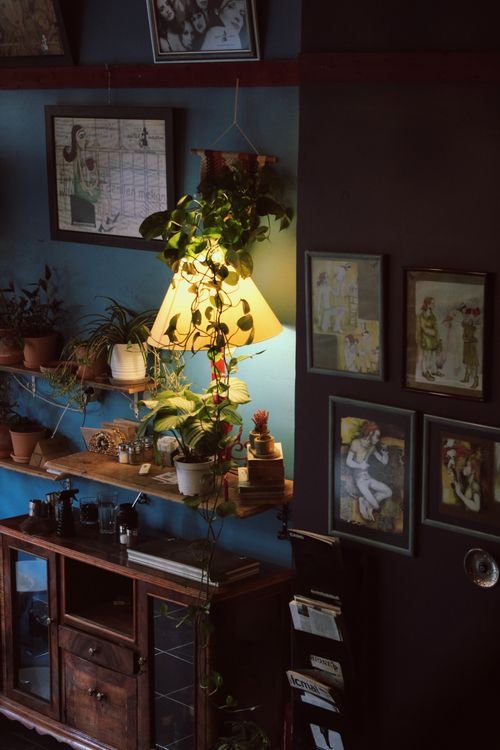

Mixing metals in home decor used to be treated as a mistake. Gold taps, silver handles and black light fittings in the same room were supposed to clash, so many homes stuck to a single finish everywhere. That rule has softened, and for good reason. When you mix metals with intention, a room looks collected and layered rather than flat, and you can keep pieces you already own instead of replacing everything at once.
This guide explains how to mix metals in home decor without clashing, using gold, silver and black as the three finishes most UK homes already have. You will learn the one dominant metal rule, the simple 60/30/10 mix, how finishes change the effect, and how to apply the ideas room by room. Most changes cost between £15 and £150, and many need no tools beyond a screwdriver.
Start with one dominant metal
Every successful mixed-metal room has a clear leader. Pick the metal that already appears most often, or the one you like best, and let it do most of the work. In a kitchen, that might be brushed nickel taps and handles. In a living room, it could be black curtain poles and picture frames. In a bedroom, warm gold might lead through a mirror frame and bedside lamps.
Once you have a dominant metal, treat the others as accents. A second metal should appear at least twice, so it reads as a choice rather than a leftover. If gold leads, add silver in a tray and a mirror frame, rather than a single silver candle holder lost on a shelf. Black works well as a grounding accent: a black lamp base, a black-framed print or black door handles can tie a gold and silver scheme together.
Before buying anything, walk through the room and list the metals already there, including taps, handles, hinges, light fittings, mirror frames and curtain hardware. You may find you already have a mix. The job is then to balance it, not to start again: replace the one or two items that look accidental, and repeat the finishes you want to keep.
Use the 60/30/10 mix as a starting point
The 60/30/10 mix is a simple way to keep proportions calm. Aim for about 60 per cent of the visible metal in your dominant finish, about 30 per cent in a secondary finish, and about 10 per cent in an accent. You do not need to measure precisely. The point is that one metal clearly leads, the second supports it, and the third only appears in small, intentional touches.
In practice, a living room might be 60 per cent black, through curtain poles, lamp bases and frame edges, with 30 per cent gold in a mirror and picture frames, and 10 per cent silver in a tray or candle holders. A bathroom might reverse that: 60 per cent chrome or silver, 30 per cent black in a mirror frame, and 10 per cent gold in a soap dish. If a room starts to look busy, reduce the accent metal rather than adding more of everything.
Finishes matter as much as colour
Gold, silver and black each come in several finishes, and the finish changes how loudly a metal speaks. Polished chrome and polished gold are bright and reflective, so they draw the eye. Brushed nickel, satin brass and matt black are quieter, so they are easier to live with in large amounts. A room usually works best when the finishes are not all at full shine, so pair a polished accent with brushed or matt pieces. Warm gold sits comfortably beside warm wood and cream walls, while cool silver suits grey, white and blue schemes, and matt black can calm both.
Mix metals room by room
In the living room, start with the largest metal surfaces: curtain poles, lamp bases and mirror frames. Keep those in your dominant finish, then add the second metal through smaller pieces such as a tray, a vase or picture frames. Black is useful here for grounding a bright gold and silver combination, especially in rooms with dark wood or a fireplace.
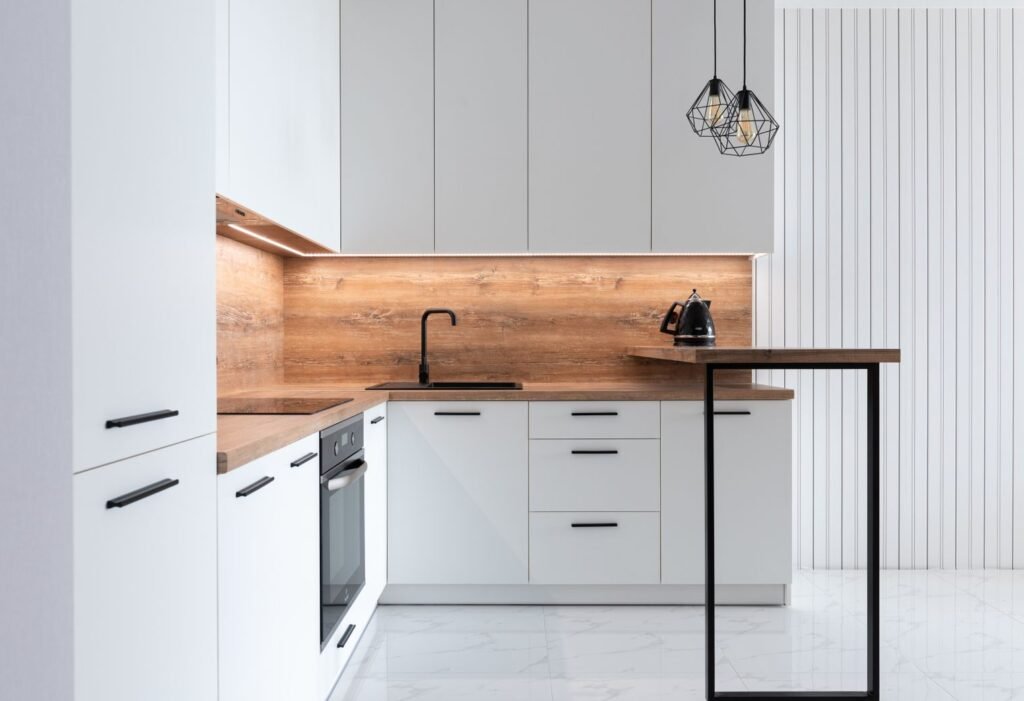
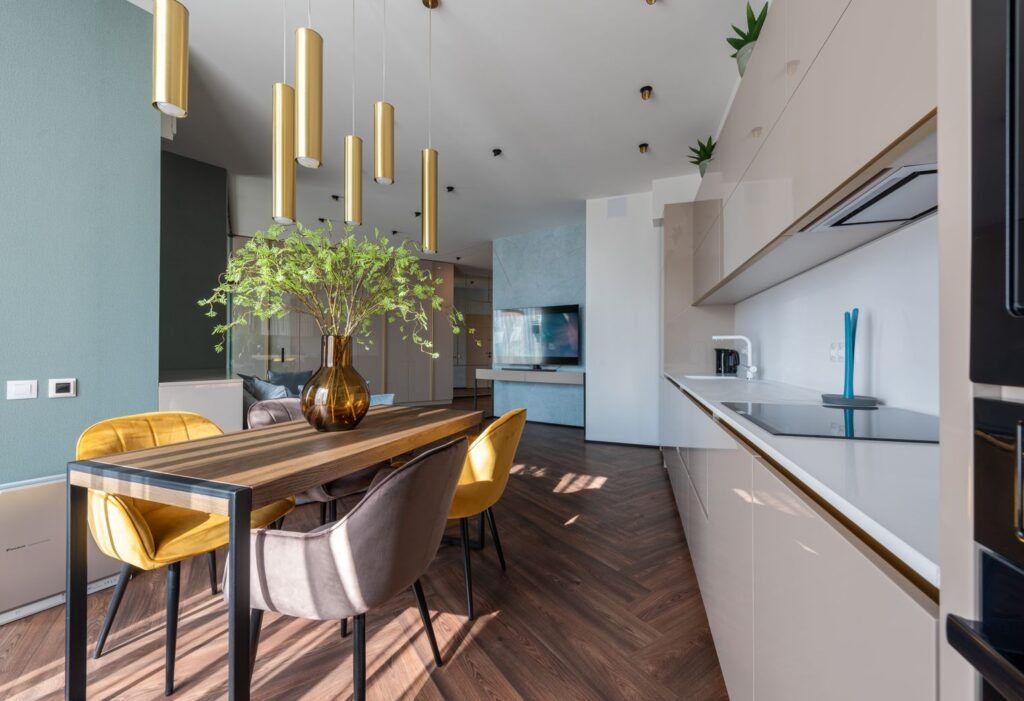
In the kitchen, taps and handles usually set the scheme, because they are hard to change often. If your taps are chrome, keep handles and small appliances in silver tones, then warm the room with gold in a pendant light or on a dresser, rather than changing the taps. A black kettle or black bar stools can add contrast without a competing shine.
In the bathroom, let taps and the shower fitting lead, usually in chrome or brushed nickel, and use black for a mirror frame or towel rail, with gold only in small touches such as a soap dish or light fitting. Because bathrooms are small, three metals can quickly look busy, so keep the accent metal to two repeated items. In the bedroom, metals appear in smaller doses, which makes mixing easier: a gold mirror and bedside lamps can sit comfortably with black drawer handles and a silver tray, while soft fabrics calm bright finishes.
Budget, common mistakes and renter-friendly swaps
You do not need a renovation to test a mix. Start with low-cost swaps: cabinet handles and knobs from about £15 for a set, a tray or vase for £15 to £40, and a lamp or mirror for £50 to £150. Live with the change for a week before committing to larger pieces. If the accent metal still looks out of place, move it to another room rather than buying more of it. These swaps are also renter-friendly, since handles, lamps, trays and mirrors can usually be changed back when you move out.
FAQ
Can I mix gold and silver in the same room? Yes, if one leads and the other is repeated at least twice. Keep the proportions uneven, so the room does not look split down the middle.
How many metals should I use? Two or three at most. Two is often enough, and a third works best as a small accent, such as matt black hardware or a single tray.
What if my taps or fittings cannot change? Make them the dominant metal, then choose handles and accessories that support them. You do not need to replace fixed fittings to balance a room.
Is black a good third metal? Yes. Matt black grounds bright gold and silver without adding another shine, which is why it works in kitchens, bathrooms and living rooms alike.
Mix metals checklist
- List the metals already in the room.
- Choose one dominant metal.
- Repeat each accent metal at least twice.
- Use the 60/30/10 mix as a guide.
- Mix polished accents with brushed or matt finishes.
- Start with low-cost swaps before larger pieces.
Further reading
See also: Silver Is Back: The Cool Metallics Comeback in Home Decor for 2026.
Paste your AdSense code in Ad Inserter Block 3