
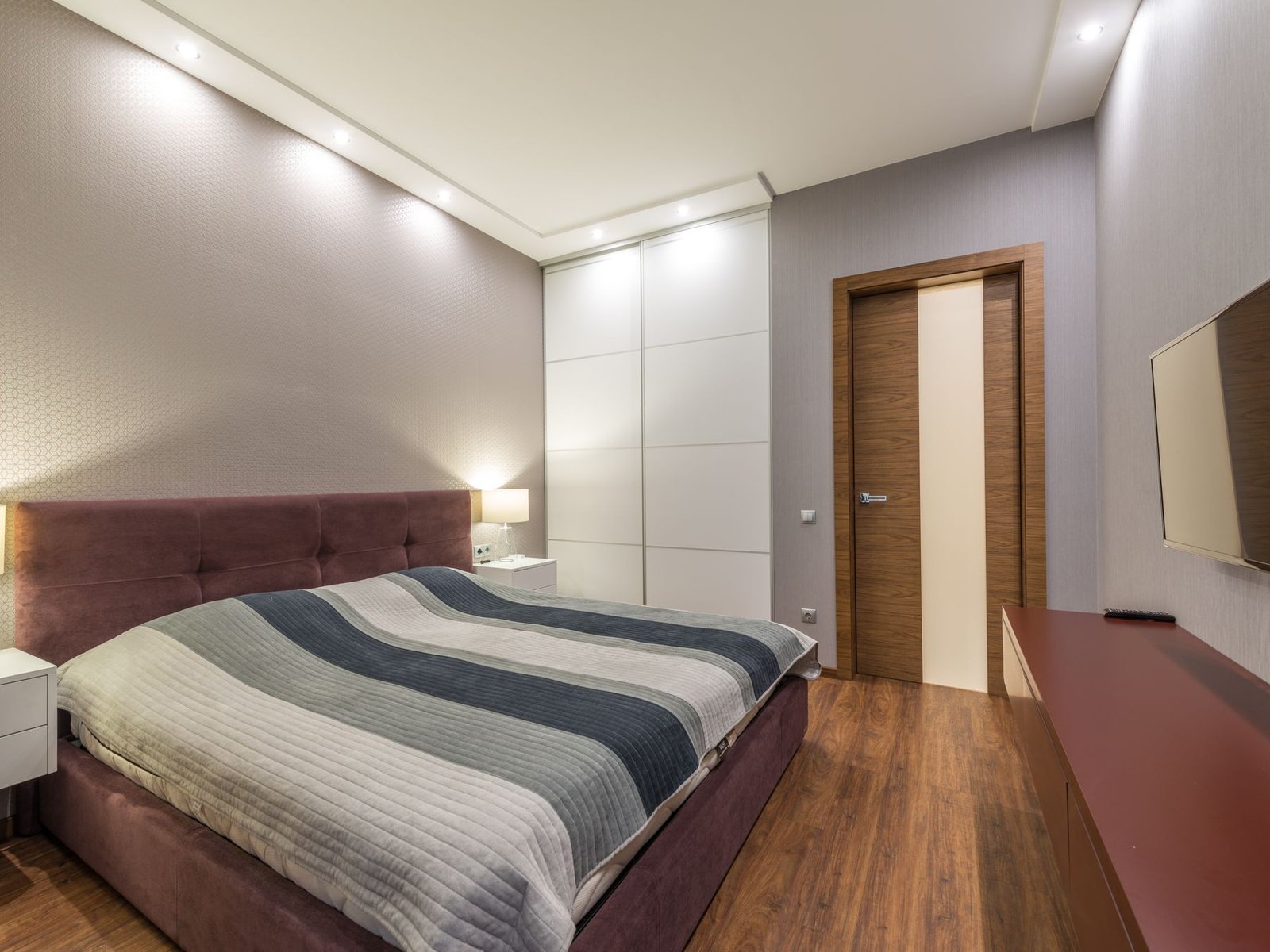

Small bedroom storage is less about buying more boxes and more about using the awkward spaces UK homes already have. In a Victorian terrace or a 1930s semi, box rooms are often barely wide enough for a double bed, wardrobes eat into the walking space, and alcoves beside a chimney breast sit empty. This guide looks at practical small bedroom storage ideas for UK homes, from under-bed storage to fitted wardrobes and alcove shelving, with the measurements, costs and weekend-friendly timings that help you plan properly.
Start with measurements, not shopping
Before you buy anything, measure three things: the clear space under your bed, the depth of any wardrobe recess, and the width and height of each alcove. Also measure doorways, stair turns and the route into the room, because a flat-pack wardrobe that fits the bedroom is no use if it cannot get up the stairs. In many UK box rooms, the bed dominates the floor, so storage that works around the bed, rather than competing with it, usually wins. Our Small UK Box Room Ideas post shows how a tiny spare room can still work as both an office and a guest room when the layout is planned first, and our Small Bedroom Makeover guide is a useful companion if you are refreshing the whole room.
Write the numbers down and take them shopping, or keep them on your phone. A tape measure, a pencil and ten minutes will save more money than any clever storage gadget. Note ceiling height too: tall, shallow storage often works better than deep, bulky furniture in a narrow room, and it keeps the floor clear so the room feels larger.
Under-bed storage: the easiest win
Under-bed storage is usually the first place to look, because it uses space that is otherwise wasted. Most divan bases and bed frames leave 15 to 25 cm of clearance underneath, which is enough for flat storage boxes, slim drawers or vacuum bags for out-of-season bedding. Measure the clearance at several points, because floors in older homes are rarely perfectly level, and allow a little extra room so boxes slide in and out without catching.
Choose boxes with lids and, ideally, wheels or handles. Lids keep dust out, which matters in older properties, and wheels help on carpet. Label each box clearly: winter bedding, summer clothes, spare towels, or keepsakes. Costs vary widely, from about £20 for a set of basic fabric boxes to £80 to £150 for sturdy wheeled drawers, while a good ottoman bed that lifts for full under-bed access is a larger investment, often £300 or more. If you are buying a new bed, an ottoman or drawer base is worth considering, because it turns the whole footprint of the bed into usable storage without adding furniture to the room.
Keep everyday items at the front and seasonal items at the back. If you have to move three boxes to reach the one you need every morning, the system will not last. Under-bed storage works best for things you need weekly or seasonally, not for daily essentials.
Wardrobes that fit a small UK bedroom
A standard wardrobe depth is 55 to 60 cm, which is enough for hangers to sit straight without crushing clothes. In a small room, that depth matters: a wardrobe that is too deep steals walking space, while one that is too shallow means doors will not close properly. Sliding doors are often a better choice than hinged doors in a box room, because they do not swing into the room or block the bed.
Inside the wardrobe, the layout matters more than the shell. A double-hang rail for shirts and trousers, one longer section for coats and dresses, and shelves or drawers for folded items will usually store more than a single rail and an empty floor. Add a shelf above the rail for bags or boxes, and use the floor for shoes in a low tray rather than loose pairs. Freestanding wardrobes cost from around £100 to £300, while fitted wardrobes that run wall to wall can cost £500 or more, but they use awkward corners and sloping ceilings far better.
If a full wardrobe will not fit, consider a tall, narrow wardrobe paired with a chest of drawers, or a wardrobe in an alcove. Mirrored doors can also help a small bedroom feel brighter, but keep the frame simple so the room does not look busy. Whatever you choose, leave at least 60 cm of clear space in front of the wardrobe so you can open it and step back comfortably.
Alcoves and chimney breasts: use the awkward bits
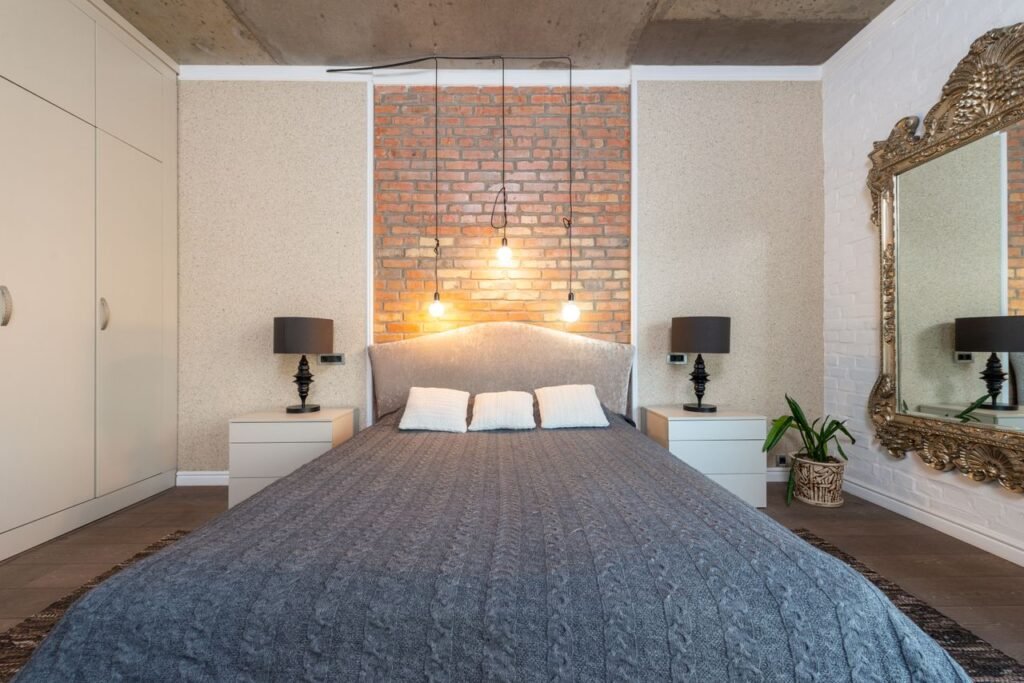
Alcoves beside a chimney breast are one of the most useful features in a Victorian terrace or 1930s semi, yet they are often left empty or filled with a plant that hides the space. Built-in shelving in an alcove gives you display and storage without taking floor space, and it can be as simple as three or four painted shelves with a small cupboard below for less attractive items.
For a weekend project, start with one alcove. Measure carefully, cut shelves to fit snugly, and paint them the same colour as the walls so they blend in. A simple set of alcove shelves can cost £20 to £80 in materials if you already have basic tools, while a fitted alcove unit with cupboards below will cost more but hides clutter completely. Use the lower cupboard for bedding, chargers or paperwork, and keep the open shelves for books, a lamp and a few decorative pieces.
In a rented home, freestanding shelving that fits the alcove is a safer option than fixing shelves to the wall. A tall, narrow bookcase pushed into the alcove gives a similar effect and can move with you. Avoid filling every shelf: leave some breathing room, or the alcove will look crowded and the room will feel smaller.
A weekend plan that actually works
On Saturday, empty one section at a time, sort items into keep, store elsewhere and donate, and re-measure with furniture in place. In the afternoon, fit under-bed boxes, wardrobe organisers or alcove shelves. On Sunday, put things back by category and label boxes. Start with £20 to £100 of boxes and organisers, then spend £80 to £300 on shelving or a better wardrobe only if the layout works.
FAQ
How much clearance do I need under the bed? Usually 15 to 25 cm. Measure at several points and choose flat boxes that slide easily.
What wardrobe depth works? 55 to 60 cm, with sliding doors in narrow rooms and about 60 cm clear in front.
Are alcove shelves suitable for renters? Use freestanding furniture that fits the alcove, or ask permission before fixing shelves.
What is a sensible starting budget? £20 to £100 for boxes and organisers, then £80 to £300 for shelving or a wardrobe.
Small bedroom storage checklist
- Measure clearance, depth and alcoves first.
- Sort keep, donate and store before buying.
- Label under-bed boxes clearly.
- Use 55 to 60 cm depth and sliding doors where tight.
- Add alcove shelving by the chimney breast.
- Keep daily items reachable
Further reading
See also: Small UK Box Room Ideas and Small Bedroom Makeover.
Paste your AdSense code in Ad Inserter Block 3