
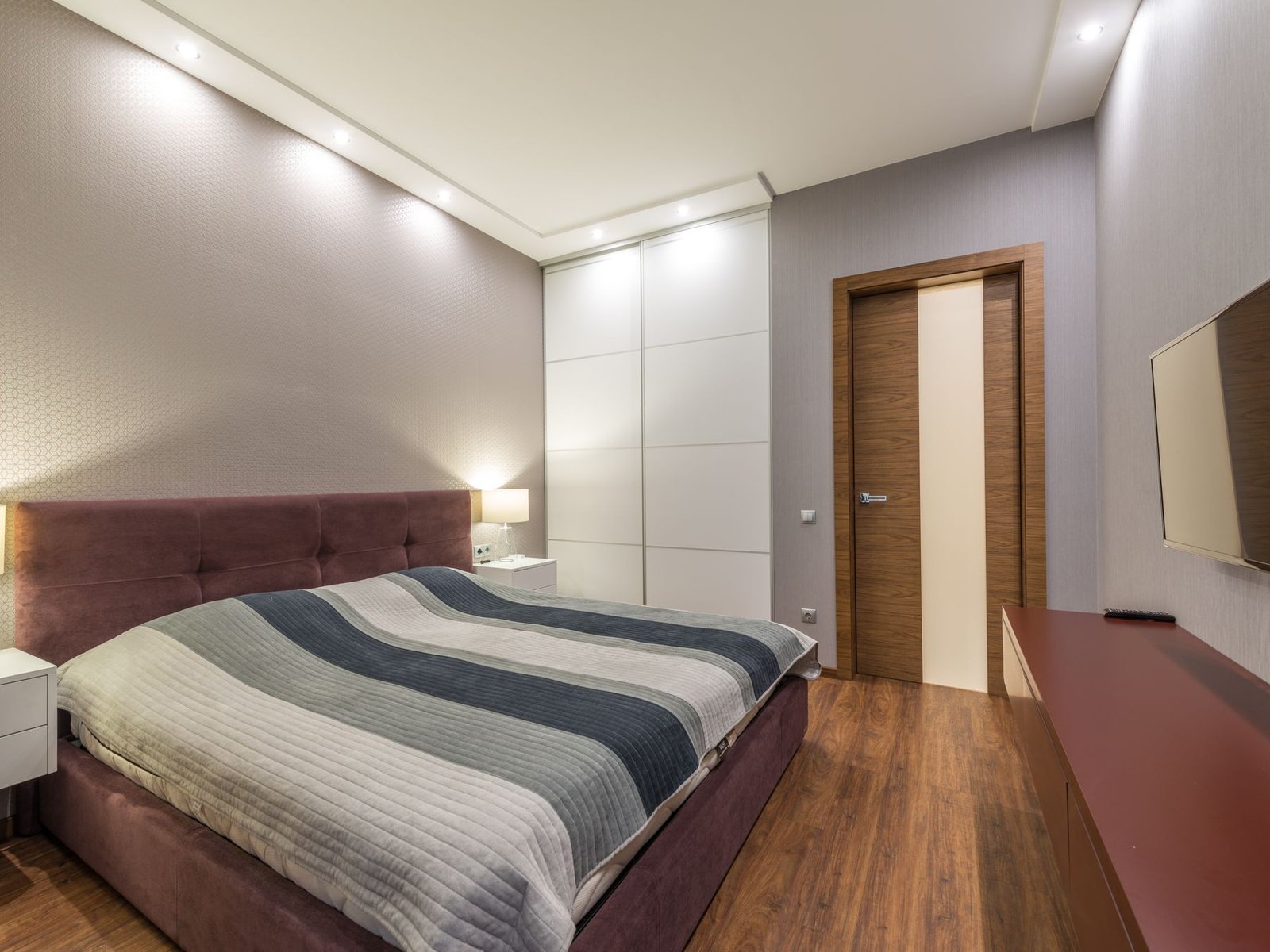

A box room is often the smallest room in a British home, and the hardest to get right. It is too small to be a proper bedroom, too useful to leave as a dumping ground, and usually asked to do two jobs at once. With the right layout, though, a box room can work well as a home office during the week and a guest room at the weekend, without feeling cramped or chaotic.
Start by deciding what the room must do, in order of priority. If you work from home four days a week and host guests once a month, the desk comes first and the bed must fit around it. If guests stay often, comfort matters more, and the desk can be smaller or fold away. Writing this order down stops you buying furniture that looks good in a shop but fights for space at home.
Choose furniture that does two jobs. A daybed is often the best bed for a box room because it works as a sofa during the day and a single bed at night. A fold-down wall desk, or a narrow desk no deeper than 45 to 50 centimetres, leaves floor space free when you are not working. A storage ottoman can hold bedding, while a tall, narrow wardrobe uses wall height instead of floor area. Avoid a full double bed and a large desk in the same small room unless you have measured both and can still walk around them comfortably.
Layout matters more than decoration in a small room. Put the desk near the window if you can, so you get daylight while you work and the bed does not block the light. Keep the bed against the longest wall, and leave a clear path from the door to the window. If the door opens into the room, check its swing before you place anything behind it. A room that is easy to move around in feels larger, even if nothing else changes.
Storage should go up, not out. Floating shelves above the desk hold books and files without taking desk space. Hooks on the back of the door are useful for a bag or a dressing gown. A shallow shelf above the bed can hold a reading light and a phone charger. Use boxes that fit the shelf exactly, and label them, so the room stays tidy without a weekly clear-out.
Light and colour make a real difference. Pale walls, a light-coloured rug, and one mirror opposite or beside the window will bounce daylight around the room. Avoid heavy curtains; a simple roller blind or a light voile keeps the window clear. For evenings, use a desk lamp for work and a small warm lamp by the bed, rather than one harsh ceiling light. Two gentle light sources make the room feel calmer and more like a bedroom when work is done.
For guests, small comforts count. Leave clean bedding folded in the ottoman or on a shelf, a spare towel on the bed, and a plug socket free for a phone charger. A small tray with a glass of water, a notepad, and the Wi-Fi password saves guests asking. If the bed is a daybed, add a proper mattress topper and a pillow that is firm enough to sleep on, not just to lean against. Guests remember a good night’s sleep far more than they remember a colour scheme.
Keep decoration simple. One framed print, one plant that tolerates low light, and bedding in a single calm colour will make the room feel finished. Too many ornaments, cushions, or patterns shrink a small room visually. If you want personality, put it in the bedding or the artwork, and keep the rest of the room plain.
FAQ
Can a box room fit both a desk and a bed? Yes, if you choose a daybed or a fold-away bed and a narrow desk, and measure the door swing and walking space before buying.
What is the best bed for a small box room? A daybed usually works best because it doubles as seating. A wall bed is another good option if the budget allows and the wall is strong enough.
How do I stop a box room looking cluttered? Use closed storage for most items, keep surfaces mostly clear, and store bedding and files out of sight when not in use.
Scandi Hallway Ideas for UK Homes: Light, Calm Entryways That Work in Narrow Spaces
Small Victorian Terrace Living Room Ideas for UK Homes: Character, Comfort and Space That Works
Paste your AdSense code in Ad Inserter Block 3